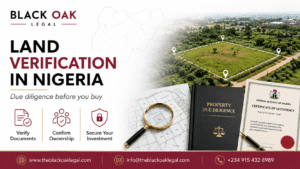

Real estate fraud encompasses deceptive practices where individuals or groups misrepresent information to unlawfully benefit from property transactions. Common examples include selling non-existent properties, multiple sales of a single property, and falsifying ownership documents. These scams can lead to significant financial losses and legal complications for unsuspecting investors. Here’s what you can do to protect yourself from real estate fraud and avoid losing your money to real estate scammers.
Conduct Thorough Due Diligence
Verify Property Titles: Before any transaction, confirm the property’s ownership by conducting a search at the Land Registry in the respective state. Ensure the property has a valid Certificate of Occupancy (C of O)or an equivalent legal title.
Research the Seller or Agent: Investigate the backgrounds of all parties involved. Check for proper registration with relevant real estate bodies and look for reviews or testimonials from previous clients.
Seek Professional Assistance
Hire a Qualified Real Estate Lawyer: A legal expert specialising in property law can help verify documents, ensure compliance with regulations, and provide invaluable advice throughout the transaction process.
Consult Certified Real Estate Agents: There is a proliferation of quacks in the real estate industry. Ensure you work with agents who are registered and have a proven track record. They can offer insights into market trends and help you identify potential red flags
Insist on Personal Property Inspection
Visit the Property: Never rely solely on photographs or descriptions. A physical inspection allows you to assess the property’s condition firsthand, verify its existence, and evaluate its surroundings. If you are not in that location and therefore unable to inspect the property personally, appoint a reliable individual to conduct the inspection on your behalf. At Black Oak Legal, we conduct inspections on behalf of our clients and advise them accordingly.
Verify Essential Documentation
Request the Survey Plan: This document outlines the property’s boundaries and confirms its legitimacy. Ensure the survey plan matches the property’s physical layout and that the seller’s details align with official records.
Search for Encumbrances: Ascertain through searches at the appropriate registries that the property is free from legal disputes, unpaid taxes, mortgages or other liabilities that could affect your ownership rights.
Exercise Caution with Payment
Avoid Cash Transactions: As much as possible ensure you use a traceable payment method such as bank transfers or cheques. This practice provides a transaction record, which is essential if disputes arise.
Beware of Pressure Tactics: Fraudsters often create a false sense of urgency. Take your time to verify all information before making any financial commitments. If they are acting impatient, there is a very high chance that something is amiss. Do not give in to their pressure.
Recognise and Avoid Common Scam Tactics
Unrealistic Offers: If something seems to good to be true, it often is. Compare property prices within the area to determine that what you have been asked to pay is not ridiculously low and to estimate the market value.
Fake Listings: Some scammers advertise properties that aren’t for sale or don’t exist. Always cross- reference listings and verify their authenticity through official channels.
Secure Proper Legal Documentation
Obtain a Deed of Assignment: This legal document transfers ownership from the seller to the buyer. Ensure it is duly signed, stamped, and registered with the appropriate authorities.
Seek Governor’s Consent: For subsequent sales of a property with an existing C of O, obtaining the Governor’s consent is mandatory to validate the transaction legally.
Stay Informed About Regulatory Policies
Understand the Land Use Act: Familiarise yourself with the basic provisions of Nigeria’s Land Use Act, which governs land ownership and usage in Nigeria. Awareness of such regulations helps in making informed decisions.
Monitor Government Announcements: Stay updated on any government acquisitions or zoning changes that could impact property values or ownership rights.
In conclusion, investing in Nigerian real estate offers lucrative opportunities, but it is essential to approach each transaction with caution and due diligence. Working with a reputable real estate law firm like Black Oak Legal can help you understand the legal requirements, get the best real estate deals and protect you from losing your money to real estate scams.
Please contact us on +2349154328989 or send an email to theblackoaklegal@gmail.com. Remember, when in doubt, always consult with legal professionals and rely on verified information to guide your investment decisions.
Disclaimer: The information provided in this blog post is for general informational purposes only and does not constitute legal advice. While we strive to ensure the accuracy and reliability of the content, we make no representations or warranties, express or implied, about the completeness, accuracy, or suitability of the information contained herein. Any reliance you place on such information is strictly at your own risk.
Readers are advised to consult with a qualified legal professional for personalised advice tailored to their specific circumstances. We disclaim any liability for any loss or damage incurred as a result of the use of, or reliance on, the information provided in this blog post.
Please note that laws and regulations regarding real estate transactions may vary by jurisdiction and are subject to change. It is essential to stay informed about the latest legal requirements and consult with professionals when engaging in real estate activities.